
Guide
Why most patients in China go to public hospitals
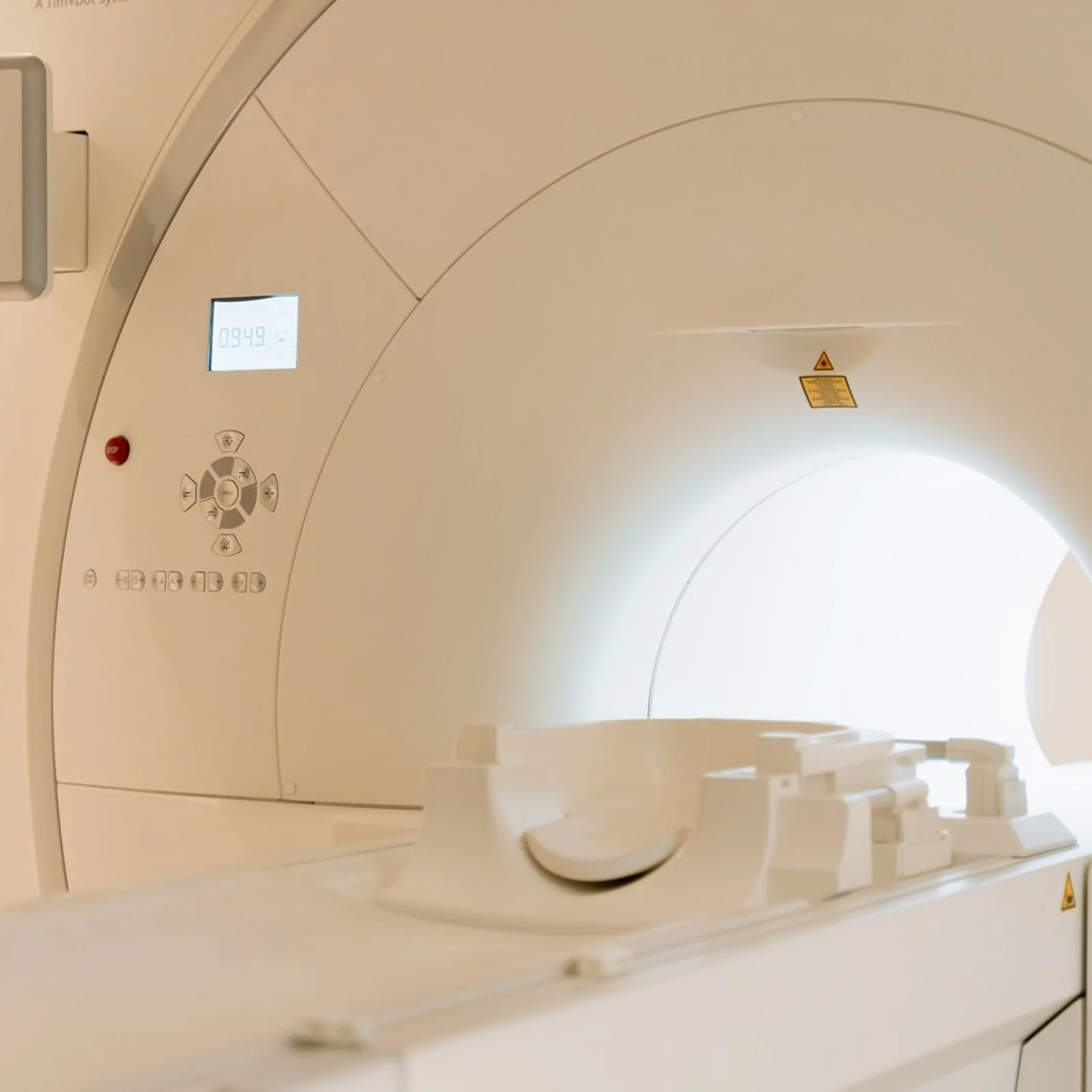
A visitor comparing hospitals in China quickly notices that the busiest institutions are almost always public. The national figures explain much of why: public hospitals are far fewer in number than private ones, yet they carry the greater part of the country’s inpatient care.
Fewer hospitals, but most of the beds
At the end of 2023 China had 38,355 hospitals, according to the National Health Commission’s annual statistical bulletin. Of those, 11,772 were public and 26,583 were private. Private hospitals are therefore the larger group by count: roughly seven hospitals in ten are privately run.
Capacity tells the opposite story. Public hospitals held about 69% of all hospital beds at the end of 2023, and their beds were the busier ones – public hospitals ran at roughly 86% occupancy, against about 79% for hospitals as a whole. The smaller public group is where most inpatient care happens, and where the beds are hardest to free up.
What the grade on the door means
Most large public hospitals carry an administrative grade. The band people quote most often is tier 3, class A (三级甲等). At the end of 2023, 1,795 of the country’s 3,855 tier-3 hospitals held that band.
It is worth being precise about what the grade is. It is a designation awarded through an administrative review of a hospital’s size, staffing, equipment and management. It is not a published ranking of treatment outcomes, and it is not a score that puts one tier-3A hospital above another. Two hospitals with the same grade can differ a great deal in what they treat and how they are organised.
Why the system steers patients to particular doors
China’s tiered diagnosis and treatment policy, set out by the State Council General Office in 2015, is built on the idea that common conditions should be handled at community level and complex cases referred upward. Community health centres and township hospitals are meant to be the first stop for routine care; large public hospitals are the referral destination.
Patients are not barred from going straight to a large hospital, but the system nudges them. Referral affects how much medical insurance will reimburse, and appointment slots are managed rather than unlimited. Booking is usually online or by phone, and the number of outpatient registrations at the largest hospitals is capped each day, which is why a slot can be hard to get and why queues form early.
Insurance, and where people actually go
Basic medical insurance is close to universal. The National Healthcare Security Administration reported that about 1.33 billion people were enrolled by the end of 2023, a participation rate the agency puts above 95%. It is a system for residents of China; a visitor who is not enrolled does not draw on it, and pays the published prices or uses private insurance instead.
For residents, the rules of reimbursement shape where they choose to be treated. A small number of large public hospitals absorb an enormous share of outpatient visits and admissions, while many private hospitals run well below capacity. That is the pattern behind the crowded corridors that visitors notice first.
What this means if you are coming from abroad
For an international patient the practical points are these. The largest public hospitals see very high volumes, so appointments, queues and short consultation times are normal rather than a sign that something has gone wrong. English-speaking staff are concentrated in a limited number of places, often in an international department that some large hospitals have set up. Private and foreign-funded clinics are a genuine option for some services, but they are a small part of the system and are not where most serious inpatient care in China takes place.
None of this says which hospital is right for a particular person. It describes how the system is arranged, so that a directory of hospitals makes more sense when you read it.
Sources
- National Health Commission of China, 2023 年我国卫生健康事业发展统计公报 (published August 2024) – hospital counts, hospital beds and bed-occupancy rates.
- National Healthcare Security Administration, 2023 年全国医疗保障事业发展统计公报 (published July 2024) – basic medical insurance enrolment.
- State Council General Office, 关于推进分级诊疗制度建设的指导意见 (2015) – the tiered diagnosis and treatment policy.
This guide explains how the system works. It is not medical advice, and it is not a recommendation of any hospital or doctor.
Written by the WellCareChina editorial team; every figure quoted in it carries its year and its source.